
Location & Overview
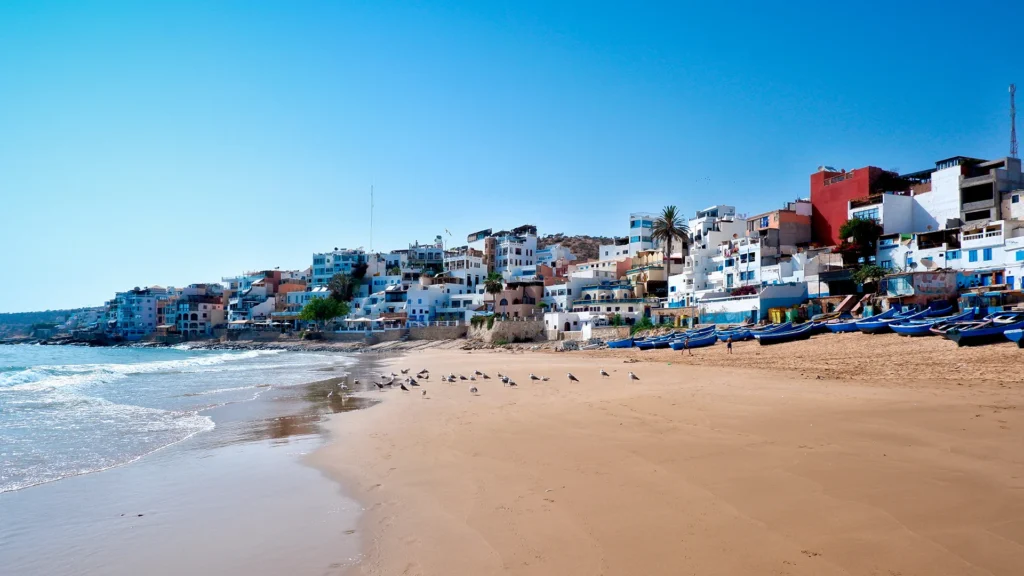
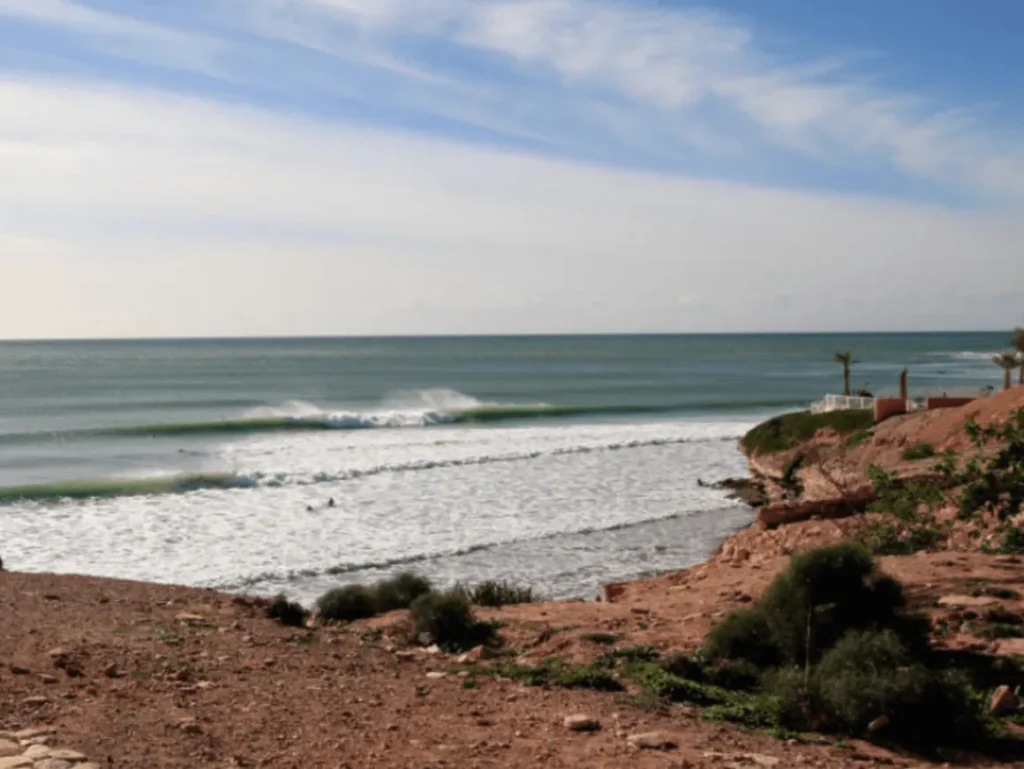
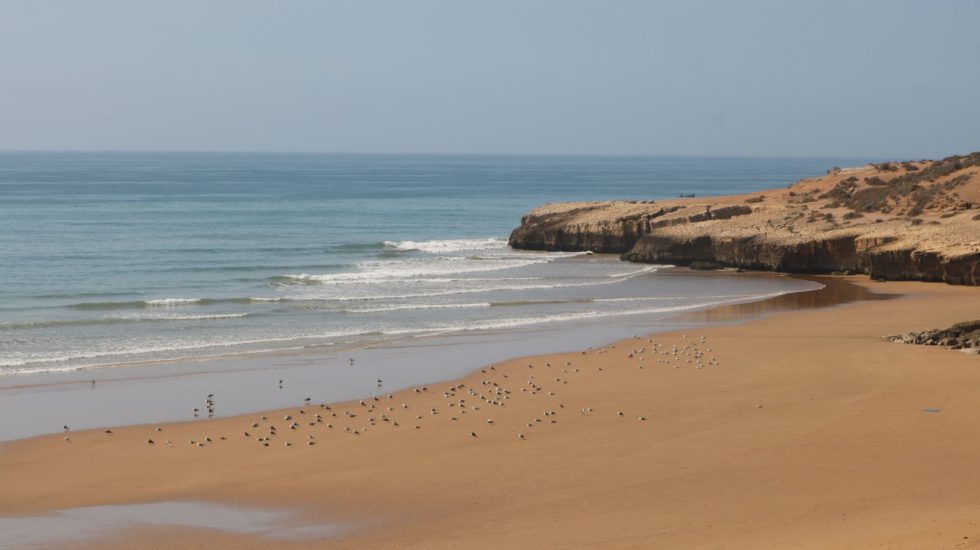
Camel Point, sometimes called Kamel Beach Point, sits about 5 minutes’ drive north of Taghazout, on a sandy stretch backed by headlands and a large camel-shaped rock overlooking the water .
The name comes from that distinctive rock formation that towers over a sandy bottom—a visual landmark and perfect surf indicator .
Wave Type & Conditions
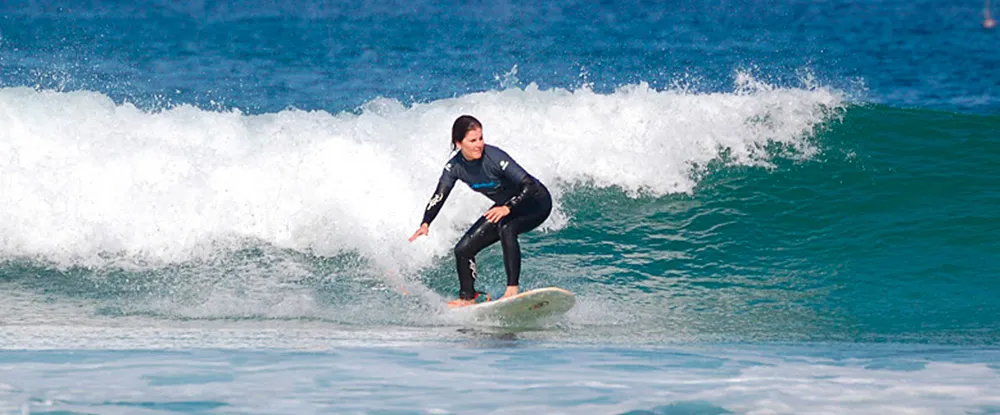
Wave Type: A mellow right-hand point break peeling over shifting sand with occasional cobbles. It offers forgiving lines suitable for many skill levels .
Ride Length: Approximately 50–100 m, depending on tide and swell size.
Swell Direction: Best with NW to WNW swells, which wrap nicely into the headland .
Wind: Performs well with NE to E offshore breezes, keeping faces clean and glassy .
Tide Preference: Favours higher tides for optimal shape; low tide might expose shallow or fickle sand bottom areas .
Ideal For: Beginners to Intermediates
Skill Level: Accessible for beginners, yet plenty of fun for intermediates exploring point breaks. In solid swells, experienced surfers can push the performance envelope with longer lines and tighter maneuvers .
Crowd Factor: Often quieter than Taghazout’s more famous breaks like Anchor or Panorama, making it perfect for learners and focused progression sessions.
Access & Local Vibe
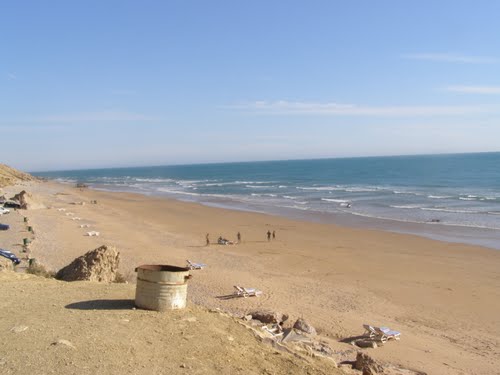
Access: Easily reached by car or motorbike in minutes from Taghazout or Tamraght. Beach entry is straightforward via sandy shoreline near the camel rock.
Ambience: Relaxed, unfussy surf spot frequented by locals and surf school groups. No tourist hubs here—just surf, sand, and the scenic headland.
Quick Facts Table
| Feature | Details |
|---|---|
| Wave Type | Right-hand point break over sand/cobble |
| Ride Length | ~50–100 m, depending on swell |
| Swell Size | 1–2 m (up to ~6 ft) best; consistent NW-WNW swells |
| Best Tide | High tide preferred for clean, peeling waves |
| Offshore Wind | NE to E |
| Skill Level | Beginner to intermediate, occasional challenge swell for advanced |
| Crowds | Light to moderate |
| Entry & Bottom | Sandy entry; bottom may include cobbles or sandbanks |
Insider Tips for Surfing Camel Point
- Keep an eye on tide—high tide offers the cleanest, most consistent waves; low tide can get choppy or shallow.
- Gear suggestion: Longboard or grovel board works best on smaller days; shortboards suit larger, cleaner swells.
- Wind awareness: Ideal conditions in the mornings—watch for offshore bows from the east.
- Local etiquette: Respect fellow surfers and groups, particularly when surf schools are using the spot.
- Combine sessions nearby: When swell builds up, you can easily move north toward Panorama or Anchor. If conditions drop off, head south toward Crocro or Devil’s Rock.
Why Camel Point Is Worth Adding to Your Itinerary
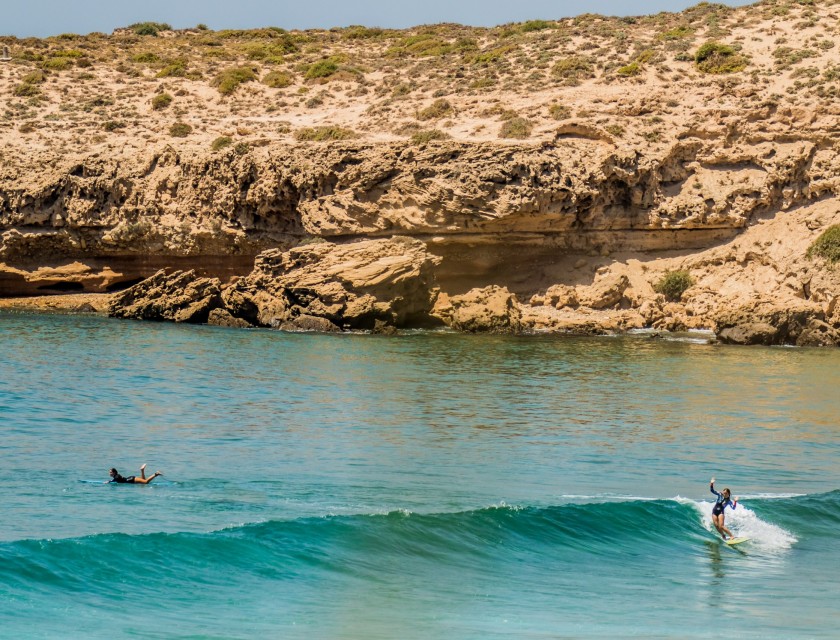
Camel Point offers a welcoming and scenic surf option—a forgiving point break hidden beneath a distinctive camel-shaped rock. It delivers consistent conditions, flexibility for different tides, and minimal crowds—perfect for learners and those practicing point-style surfing without pressure. With easy access and a charming headland backdrop, Camel Point is a mellow, yet satisfying alternative to the more intense breaks of Taghazout Bay.